The MacBook Neo launched at £599. It now costs £699. Apple has confirmed price increases of up to 20% across its Mac and iPad range, with more potentially to follow. The cause is not a product refresh or a margin play. It is a global shortage of RAM, driven by demand from AI data centres, that is reshaping the cost of consumer electronics across the board.
The MacBook Neo just got more expensive months after launch
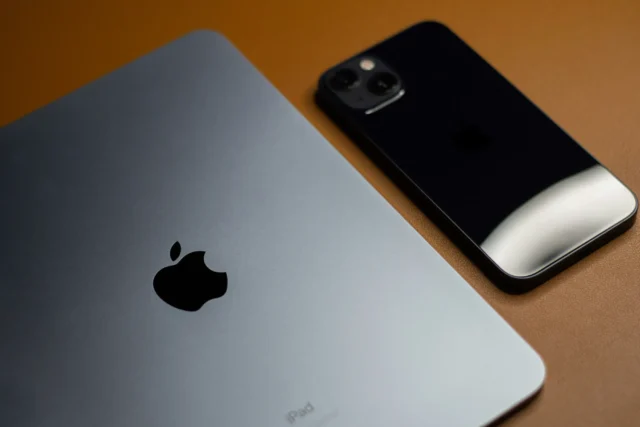
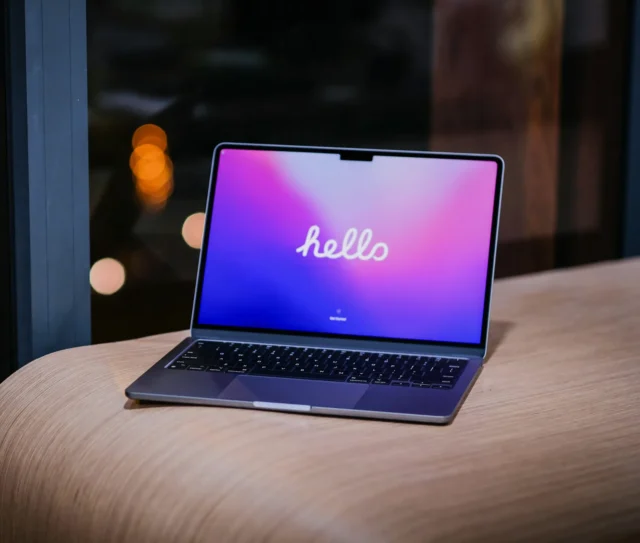
Apple’s entry-level laptop, the MacBook Neo, has risen from £599 to £699 in the UK within months of its release. In the US, the MacBook Pro with 1TB of storage has moved from $1,699 to $1,999. The increases are not confined to one end of the range. Broadly, all Mac and iPad models have risen by around 20% regardless of where they sit in the line-up.
Apple addressed the increases directly in a public statement: “We have never seen a component price increase this much, this quickly. We have shielded our customers from these increases so far, but we have now reached a point where we need to begin raising prices on several products.”
For businesses that have been timing a Mac refresh or considering expanding their fleet, this changes the numbers meaningfully.
Why Apple’s prices are rising: the RAM crisis behind the increase
The price increases trace back to a single constraint: dynamic random access memory, or RAM. RAM is used in virtually every device, from laptops and tablets to gaming consoles and smartphones. The same component is also central to the AI data centres that have expanded rapidly over the past two years.
AI infrastructure demands enormous quantities of RAM. As the major hyperscalers and chipmakers have prioritised procurement for data centre builds, the supply available for consumer electronics has contracted sharply. The result is a component price spike that has hit every device manufacturer simultaneously, with the cost of memory and storage reportedly having already more than doubled in some segments.
Taiwan Semiconductor Manufacturing Company (TSMC), which manufactures chips for Apple, Nvidia, and AMD, has indicated it is also facing inflationary pressure and has not ruled out its own price increases.
Apple is not alone in passing these costs on. Microsoft has raised the price of Xbox consoles for the third time in under a year. Valve launched its Steam Machine at £879 in the UK rather than the originally intended price point. Research firm IDC has estimated that the smartphone market may see its largest-ever annual decline, with PC sales also expected to fall significantly in 2026.
The situation has been described by some analysts as a structural problem rather than a temporary spike. Ben Bajarin of Creative Strategies said the memory environment “remains structurally tough for the foreseeable future.”
iPhones have not been affected yet, but that may change
The current price increases apply to Mac and iPad only. iPhones have not yet been adjusted. However, Apple’s next iPhone launch is expected in September, and the 2026 line-up was already projected to be the most expensive ever, in part because of a rumoured foldable model at a premium price point. With Tim Cook telling the Wall Street Journal earlier in June that price increases were “unavoidable” due to the “unsustainable” situation around memory chips, there is little reason to expect the iPhone to be exempt indefinitely.
Cook has also been explicit in what needs to happen: “We definitely need memory pricing and supply to return to reasonable levels for consumer products. That’s the bottom line.”
Apple’s ability to delay these increases as long as it did reflects its scale and deep supplier relationships, which allowed it to secure large volumes of memory at earlier, lower prices. That protection is finite.
Dr Logic perspective: what this means for Mac-first businesses
For businesses that run on Apple hardware, the timing matters. If a Mac refresh was already on the horizon, bringing that forward before further increases land is worth considering. The MacBook Neo, despite its new price point, remains the most accessible Mac laptop available and the most cost-effective entry point for Mac-first teams that have been holding off.
At Dr Logic, we are already seeing clients revisit their device refresh cycles in light of this news. The business case for Mac, including total cost of ownership, security posture, and the reduction in IT overhead that comes with well-managed Apple hardware, remains strong. The upfront cost has risen, but the downstream advantages have not changed.
If you are managing a Mac fleet and want to understand the most cost-effective path forward given current pricing, our Apple support team is available to advise.