Fairlife has resumed production after a ransomware attack forced a shutdown
Coca-Cola confirmed on 27th of July that Fairlife, its dairy subsidiary, has resumed the majority of production at all four of its US facilities following a ransomware attack. An unauthorised third party gained access to parts of fairlife’s systems and took certain data, forcing the company to temporarily suspend production. The disruption ran for roughly eleven days, from the initial disclosure on 16th of July to the confirmation of resumed operations. Fairlife’s Canadian production was not affected at any point.
Coca-Cola has been clear that product quality and safety were never compromised, and that retail availability held up throughout because of existing inventory. The company also says it does not expect the incident to have a material impact on its financial results, though the full scope of the data taken has not yet been disclosed.
The attack targeted production systems, not just data
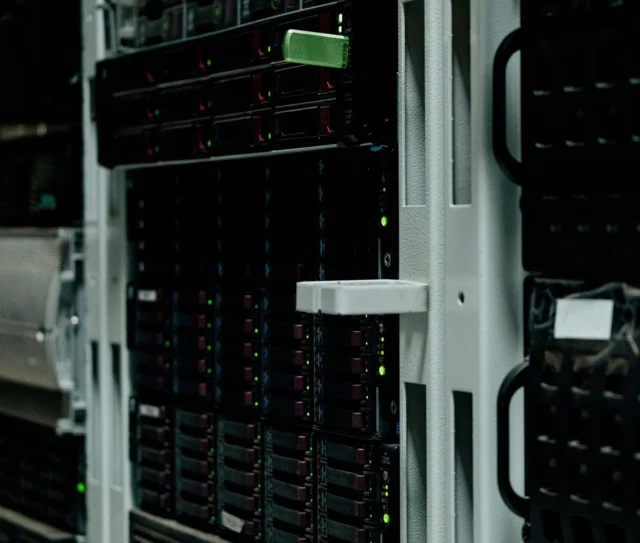
What makes this incident worth paying attention to is where the disruption landed. This was not a case of customer records sitting in a database being exposed while the business carried on regardless. The attack reached far enough into Fairlife’s operational systems that four physical production facilities had to stop making milk.
That is the pattern showing up across manufacturing and food and beverage businesses more broadly this year: ransomware groups are no longer only after data to sell or ransom back. They are aiming at the systems that keep physical production running, because a halted factory line creates pressure to pay that a locked file server does not.
In Dr Logic’s experience, most SMEs still plan their cyber security around protecting information rather than protecting the operational systems that keep the business physically running, whether that is a production line, a warehouse system, or the tools a service business depends on to deliver client work. A single ransomware event that takes systems offline can stop a business trading just as effectively as it stopped Fairlife’s plants.
Most SMEs would not have Coca-Cola’s cushion to absorb this
Coca-Cola could ride out an eleven-day production halt at four plants because it had existing inventory in the supply chain and the scale to absorb the disruption without customers noticing. Most UK SMEs do not have that cushion. A ransomware attack that takes core systems offline for even a few days can mean missed orders, breached client SLAs, or an inability to invoice, with no inventory buffer to soften the impact.
This is exactly the gap that a documented, tested incident response plan is meant to close, and it is also one of the requirements under Cyber Essentials, the government-backed certification most UK businesses are either working towards or renewing. If your business has never actually tested what happens when a core system goes down, explore our Cyber Security service.
What this means for Mac-first businesses
Fairlife’s attack is a reminder that ransomware readiness is not just an IT department concern; it is a continuity concern that sits with leadership. The questions worth asking after an incident like this are practical ones: which systems, if taken offline tomorrow, would stop the business trading, and is there a tested plan for that scenario, not just a policy document sitting in a drawer?
For Mac-first businesses in particular, the assumption that Apple hardware is inherently less exposed does not extend to the cloud services, production tools, and third-party platforms that most businesses depend on day to day, all of which can be targeted regardless of what sits on the desk.
Dr Logic works with UK businesses to build and test incident response plans as part of a wider Cyber Essentials and cyber security programme. If a ransomware event hit your core systems tomorrow, book a Cyber Readiness Review to find out where the gaps are before they get found for you.