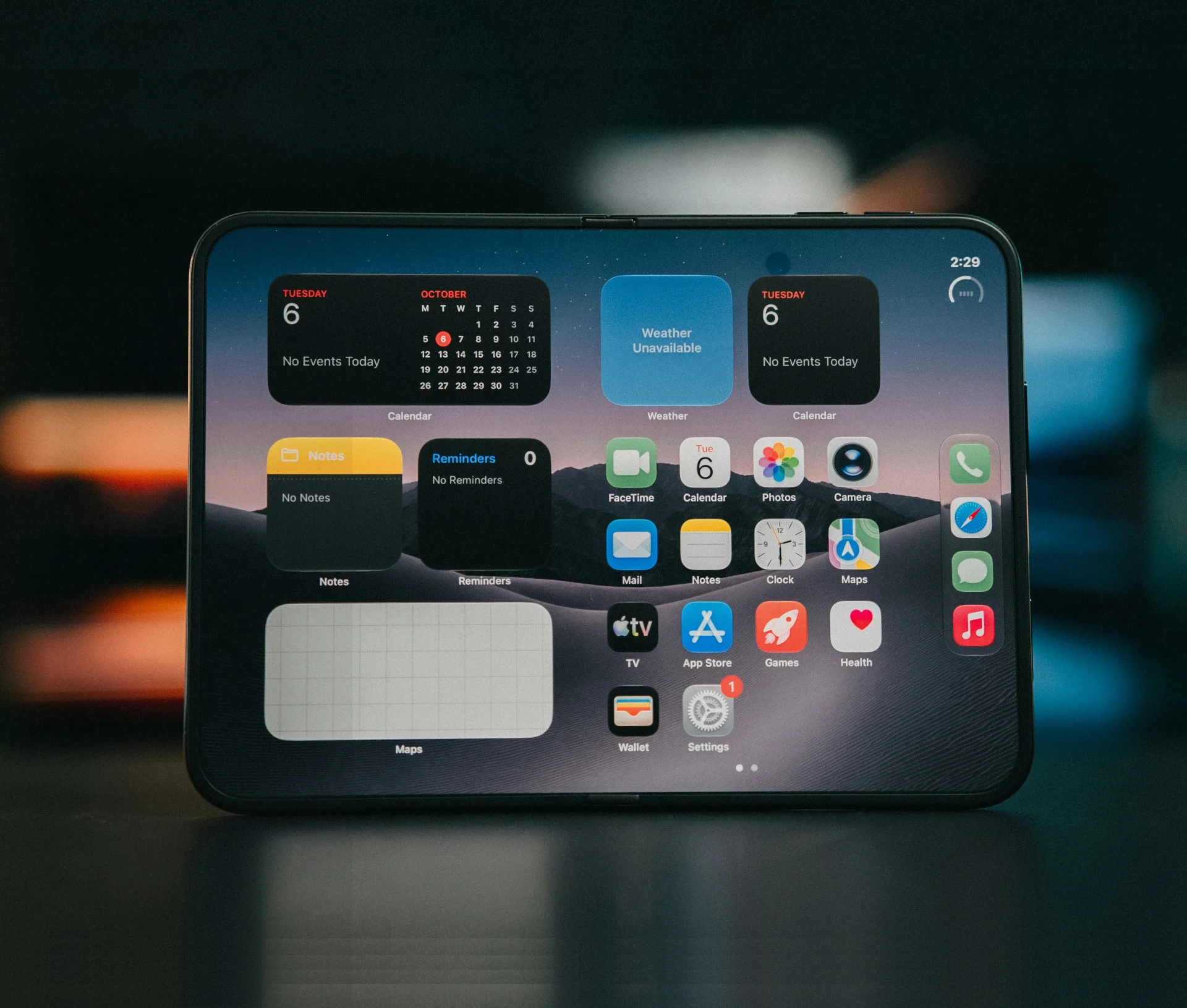
Apple’s first foldable iPhone went on sale on 23 October, and if you look after IT for a growing company, someone has probably already asked you for one. We’d treat it like any expensive new kit: agree to a small trial, get the groundwork done before the box is opened, and set a date to decide whether it stays.
What the iPhone Duo is and what changes for a business
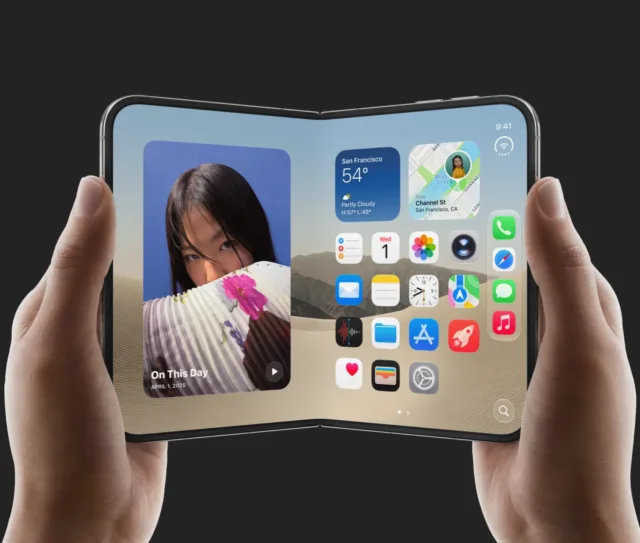
The Duo opens like a book. There’s a 7.6-inch screen inside and a 5.4-inch screen on the cover. It starts at £1,999 for 256GB on the Apple UK Store. The 2TB model is £3,199. The rest is on Apple’s iPhone Duo tech specs page.
Stock is tight. Delivery estimates slipped into January within hours of pre-orders opening. So we’d check the date Apple shows at checkout before promising anyone a handset. If a director asked for one this week, you could tell them you’ll order one for a pilot. Then you can plan around a January arrival.
Who on your team should have one
We’d keep it to a small group. The Duo suits people who read and review a lot away from a desk. Think of a partner signing off documents between client meetings. Or an account director checking proofs on the train. Apple pitches it as a phone and a small tablet in one. So it may also suit anyone who carries both today.
The case for each person comes down to time saved. You can test that with simple sums. If you keep phones for three years, £1,999 works out at roughly £13 a week before cover. You’d set that against the time the person expects to save. Value it at what an hour of their time is worth to the business. If they’d otherwise carry an iPad too, the numbers look better. If they can’t name a task the bigger screen would help with, that’s a useful answer in itself.
It won’t suit everyone. People who mostly call and message won’t see much benefit. We’d also think twice for anyone whose phone takes knocks on site visits or in a workshop. A hinge and a folding screen need more care than a standard iPhone. Repairs cost more too.
What to have in place before one joins your fleet
- Buy it through Apple Business, or a reseller linked to your Apple Business account. That way it enrols automatically in your DMS (formerly MDM). It’s also supervised from first boot. Our Apple deployment checklist covers the setup.
- Apply your standard security profile before you hand it over, passcode rules included. Whether you run Addigy, our default for client fleets, or Jamf, the Duo should get the same settings as your other company iPhones.
- The Duo uses Touch ID in the side button. It has no Face ID. A paired Apple Watch can open it too. Your passcode and biometric policy apply as normal. Check any staff guides or app settings written with Face ID in mind.
- It’s eSIM only. Check that your mobile provider can issue an eSIM for the user’s business number before the handset arrives.
- It ships with iOS 27.1, a version only the Duo gets. A further 27.1 update is offered at setup. Other iPhones are moving from iOS 27 to 27.2. Your update policy or compliance reporting may check for a minimum version. If so, we’d make sure a fully updated Duo isn’t flagged as behind just because its number differs from the rest of the fleet. Apple hasn’t said when the numbering will line up again.
- Sort repair and insurance cover before you order. A folding screen and hinge make accidents more expensive. Apple’s own repair estimates put an uncovered inner screen repair at roughly half the price of the phone. A personal AppleCare plan isn’t the right fit for a company-owned handset. So, check what AppleCare+ for Business or your business insurer covers for this model, and what the excess is. Our AppleCare for Business explainer covers the business plans. Our AppleCare One piece explains the personal bundle.
- Work out where a £1,999 device sits in your refresh plan. That includes whether you’d lease or buy.
- If it goes missing, the standard lock and wipe process applies. Make sure the user knows the steps in our guides to a lost or stolen iPhone and wiping an iPhone.
Maybe your refresh plan lives in a spreadsheet nobody has opened since the last laptop order. If so, Dr Logic can help. We can build a lifecycle plan with you that copes with kit at this price.
How to run a ninety-day pilot
You could start this week, even with a January delivery date. We can have the setup and measurement ready before the handset arrives.
We’d pick one to three people. We’d give each of them one named task the Duo should help with, like reviewing documents or proofs on the move. Then we’d ask for a short weekly note on roughly how much time it saved, and anything that got in the way. Finally, we’d put a decision date in the diary for the end of the ninety days.
The test for carrying on is simple. You’d average the hours saved each week and put a fair value on them. Then you’d compare that with the weekly cost of the device and its cover. If the time saved clearly beats the cost, you could offer the next Duo to someone with a similar workload. If it doesn’t clear the bar, the person goes back to a standard iPhone from your fleet. That’s a perfectly good result for a pilot.
If you’d like help scoping a pilot and getting the first unit enrolled and covered, get in touch. We’ll set it up with you.
Related articles
- iPhone Duo: Has Apple answered the foldable durability question?
- AppleCare for Business explained
- AppleCare One launches in the UK
FAQs
How much does the iPhone Duo cost in the UK?
It starts at £1,999 for 256GB on the Apple UK Store. The 512GB model is £2,199, and the 1TB model is £2,599. The top 2TB model is £3,199. It went on sale on 23 October 2026. Stock is tight, so we’d check the delivery date Apple gives at checkout before promising a handset to anyone.
Can the iPhone Duo be managed like our other company iPhones?
Yes. If you buy it through Apple Business or a linked reseller, it enrols automatically in your device management platform. It’s supervised from first boot and picks up your standard security profile. The one quirk is software. It runs iOS 27.1 while other iPhones move to 27.2, so we’d check your minimum-version rules.
Does the iPhone Duo have Face ID?
No. It uses Touch ID built into the side button, and that works whether the phone is open or closed. A paired Apple Watch can open it too. Your existing passcode and biometric policies still apply. We’d update any staff guidance that assumes Face ID.
Who in a business should get an iPhone Duo?
We’d start with one to three people who read and review a lot away from a desk. Anyone who carries an iPad is also a good fit. We’d run a ninety-day pilot with one named task each and a weekly note of time saved. Then you can decide on the numbers.