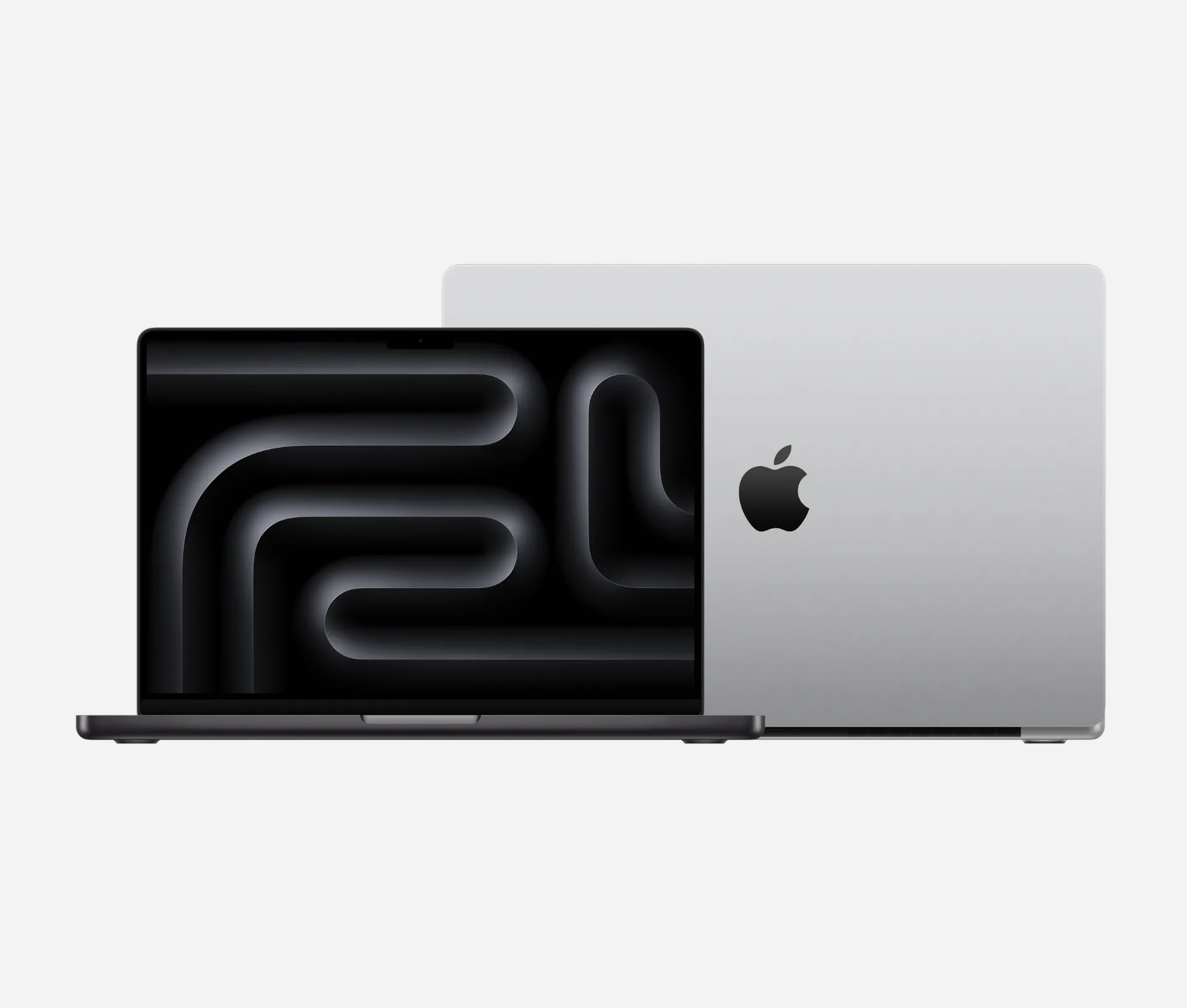
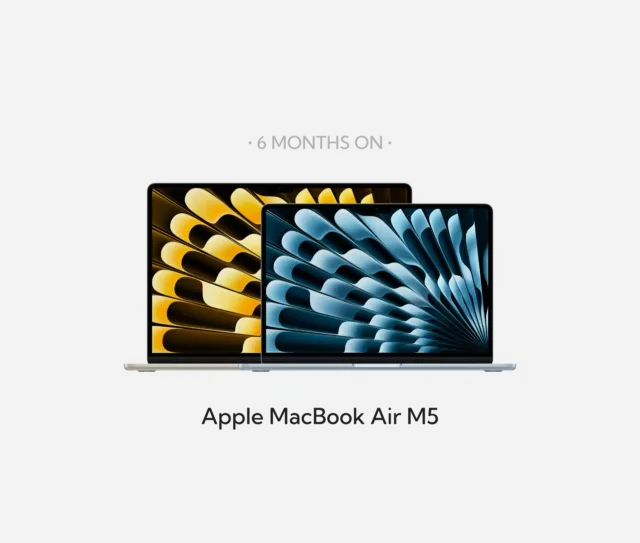
When a growing business needs 20 new MacBooks, the instinct is almost always to buy them outright, capitalise the cost, and move on. It’s how most businesses have always done it, and there’s a certain comfort in owning the asset.
But comfort and smart financial planning aren’t always the same thing. Apple Financial Services (AFS) offers a leasing model that an increasing number of UK businesses are switching to – not because they can’t afford to buy, but because leasing fundamentally changes the economics of running a Mac-first fleet. Lower upfront costs, predictable monthly payments, built-in refresh cycles, and a cleaner balance sheet all come as part of the package.
If you’re planning to scale your team in 2026, it’s worth understanding how this works before you sign the next purchase order.
How Apple Financial Services works
Apple Financial Services provides lease agreements for Mac, iPad, and iPhone deployments through authorised partners. The structure is straightforward: you select the devices your team needs, AFS provides a lease agreement over a typical term of 24 or 36 months with fixed monthly payments, and at the end of the term you return the devices and upgrade to the latest hardware, or in some cases purchase them at a residual value.
The key difference from buying is that you’re paying for the use of the device over its most productive years rather than for outright ownership of an asset that depreciates the moment it leaves the box.
The minimum proposal value to access AFS is £1,000, of which at least 20% must be Apple products, and your business needs to have been trading for at least two years. In practice, that means most established businesses can access the same financing structures regardless of team size.
The financial case for leasing
The numbers are where this gets interesting, and there are several angles worth considering.
Cash flow preservation.
A fleet of 20 MacBook Airs at around £1,300 each is a substantial outright purchase. On a 36-month AFS lease, that becomes a predictable monthly payment spread across three financial years. For growing businesses where cash is better deployed in hiring, marketing, or product development, this frees up capital at the point it matters most.
OpEx vs CapEx.
Purchasing devices is a capital expenditure, whereas leasing converts it to an operating expense. For many finance teams, particularly in scaling businesses, OpEx is easier to budget, easier to approve, and doesn’t sit on the balance sheet as a depreciating asset. It’s a cleaner financial model for businesses that want to stay asset-light.
Built-in refresh economics.
When you buy, you own the device and the responsibility of deciding what to do with it in three years. When you lease through AFS, the end-of-term return is part of the agreement – you hand back the old devices, take delivery of new ones, and your team is always on current hardware without the trade-in logistics, the cupboard full of ageing MacBooks, or the scramble to recover residual value.
Predictable budgeting.
Hardware failures, emergency replacements, and unexpected refresh costs largely disappear from the equation. Your monthly payment covers the fleet, the refresh cycle is built into the agreement, and finance teams can plan with certainty rather than reacting to ad hoc purchase requests throughout the year.
When buying still makes sense
Leasing isn’t universally better, and there are scenarios where purchasing outright is the right call.
- Long-hold environments. If your business genuinely uses devices for five or more years and doesn’t need the latest hardware, buying and holding avoids ongoing lease payments. This is more common in industries where devices run a single, stable application rather than general productivity.
- One-off or specialist purchases. A Mac Studio for a video editing suite or a high-spec Mac Pro for a development team might be better purchased outright if it’s not part of a regular refresh cycle.
- Businesses with strong cash reserves and no scaling plans. If you’re not growing headcount and have the cash available, the total cost of purchasing can be lower than leasing over the same period. The trade-off is the upfront hit, the depreciation on your books, and the responsibility of managing trade-ins yourself.
For most scaling businesses in 2026, the flexibility of leasing outweighs the marginal cost difference.
How leasing supports sustainability
There’s a sustainability angle that often gets overlooked in the financial conversation.
AFS leases are structured around return and refresh, which means that at the end of the term, devices go back into Apple’s ecosystem where they’re refurbished, resold, or recycled through Apple’s own environmental programmes. This is a circular model by design, and it means you’re not responsible for finding a second life for the hardware – that’s already built into the process.
For businesses working towards sustainability commitments, leasing through AFS provides a documented, repeatable process for keeping devices in circulation. It complements Apple’s broader environmental goals and gives your business a clear story to tell in ESG reporting.
Read: Trade In, Don’t Throw Away: How Appe’s Circular Economy Saves Your Business Money and Waste.
What to look for in a leasing partner
AFS agreements are facilitated through authorised Apple partners, and the experience can vary significantly depending on who you work with. A few things worth looking for:
- End-to-end support. The partner should handle not just the lease paperwork but also device configuration, deployment, MDM enrolment, and end-of-term returns. If you’re managing the logistics yourself, you’re losing half the benefit.
- IT strategy alignment. Your leasing partner should understand your refresh cycle, growth plans, and technical requirements rather than just processing an order. The lease terms should reflect your business reality, not a generic template.
- Trade-in and lifecycle expertise. If you have existing owned devices that need to be traded in alongside a new lease, your partner should manage both streams so nothing falls through the cracks.
- Transparent pricing. AFS rates are competitive, but the terms and residual values can vary. Make sure you understand the total cost over the lease period, what happens at end of term, and whether there’s flexibility to add devices mid-term as your team grows.
Scale smarter, not just bigger
Growing a team is expensive enough without tying up capital in hardware that loses value the moment it’s unboxed. Apple Financial Services gives you a way to equip every new starter with the best Apple hardware available, on a predictable monthly cost, with a built-in upgrade path that keeps your fleet current and your balance sheet clean.
If you’re planning to scale in 2026 and want to understand how leasing compares to purchasing for your specific situation, our Apple specialists and IT strategy team can model both options and recommend the approach that fits your growth plans.
Talk to us about Apple Financial Services.
Related articles
- Trade In, Don’t Throw Away: How Apple’s Circular Economy Saves Your Business Money and Waste
- Beyond the Spec Sheet: How to Build a Mac Refresh Strategy That Saves Money and Reduces Waste
- Apple Security at Scale: What Changes After 50, 100 and 500 Devices
FAQs
What is Apple Financial Services?
Apple Financial Services? Apple Financial Services (AFS) is a leasing programme offered through authorised Apple partners that allows businesses to lease Mac, iPad, and iPhone devices on fixed-term agreements – typically 24 or 36 months – with predictable monthly payments and a built-in upgrade path at the end of the term.
Is leasing more expensive than buying over time?
The total cost of a lease over its full term is typically slightly higher than an outright purchase. However, when you factor in the cash flow benefit, the elimination of trade-in logistics, predictable budgeting, and the fact that your team is always on current hardware, most businesses find leasing offers better overall value – particularly those that are scaling or want to stay asset-light.
What happens to the devices at the end of the lease?
At the end of the term, devices are returned and either refurbished for resale or recycled through Apple’s environmental programmes. In some agreements, there’s an option to purchase the devices at a residual value, though most businesses choose to upgrade to the latest hardware and start a new lease term.