You have recycled the coffee cups and switched to a green energy tariff. But what about the 40 devices, 12 SaaS subscriptions, and three cloud platforms your business runs on every day?
This week, we have been thinking about sustainability through the lens of IT. On Monday, we looked at what choosing Apple means for your carbon footprint. On Wednesday, for Earth Day, we explored the IT decisions that have the biggest environmental impact. Today, we are asking a broader question: how do you move from good intentions to something that is actually embedded in how your business operates?
Because the truth is that sustainable IT is easy to agree with and harder to follow through on. Not because businesses do not care, but because sustainability tends to sit outside the day-to-day rhythm of IT decisions. It becomes something to think about later, and later rarely comes.
Why sustainability IT stalls
Most businesses that care about sustainability have done the visible things. The office runs on renewable energy. The kitchen has compostable cups. There is probably a page on the website about it.
But the IT estate, which in a modern business is one of the largest concentrations of physical assets, energy consumption, and ongoing procurement, often sits in a blind spot. There are a few reasons for this.
First, IT decisions tend to be driven by urgency. Someone needs a new machine, a system goes down, a subscription needs renewing. In that moment, the priority is solving the problem, not evaluating the environmental implications.
Second, the environmental footprint of IT is less visible than a bin full of plastic. The energy consumed by cloud storage, the embodied carbon in a new MacBook, the materials in a phone that sits unused in a drawer. These costs are real, but they are abstract enough to be easy to overlook.
Third, there is no obvious owner. Sustainability might sit with operations, or with a founder who cares about it personally, but it rarely sits with whoever is making IT procurement and management decisions. The result is a gap between values and execution.
Making it practical, not aspirational
The shift from aspiration to practice does not require a sustainability overhaul. It requires building a handful of habits into decisions your business is already making.
Build lifecycle thinking into procurement. When a new device is needed, the first question should not be “which model?” but “do we actually need a new device?” Can an existing machine be redeployed? Is the spec being requested proportionate to the work? Apple hardware lasts longer than most, which means your fleet probably has more remaining life in it than you think. A managed approach to refresh cycles — where devices are assessed individually rather than replaced on a blanket schedule — is both the financially and environmentally smarter path.
Make device retirement a process, not an afterthought. Apple Trade-In exists. Certified recycling exists. But neither happens automatically. The businesses that do this well have made it a standard step in their offboarding and refresh processes, not something that gets deferred until someone clears out a cupboard. Every device sitting unused is both a missed financial credit and materials that could be back in the supply chain.
Audit your digital estate regularly. Cloud storage, SaaS subscriptions, email archives, shared drives. A quarterly review of what your business is actually using versus what it is paying for and powering is one of the simplest things you can do. It saves money, reduces energy consumption, and as we explored in Wednesday’s article, it improves your security posture at the same time.
Talk about it when you are making IT decisions. Sustainability does not need its own meeting. It needs to be a consideration in conversations that are already happening. When you are planning a refresh, budgeting for new subscriptions, or reviewing your infrastructure, a simple “what is the most sustainable option here?” goes a long way over time.
The overlap with security and good housekeeping
One of the most useful realisations for businesses trying to embed sustainable IT practices is that they overlap almost entirely with good IT hygiene.
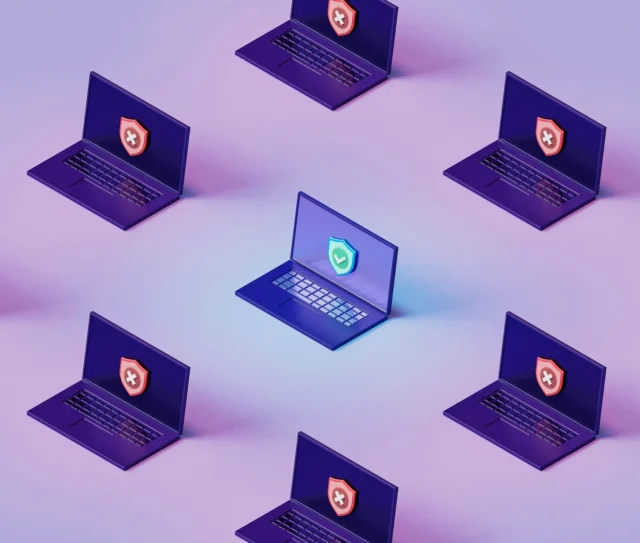
Decommissioning unused accounts? That is sustainability (less infrastructure running) and security (fewer potential entry points). Auditing SaaS subscriptions? That is sustainability (less energy waste) and financial prudence (less wasted spend). Extending device lifecycles through proactive maintenance? That is sustainability (less e-waste) and good IT management (better-performing, well-maintained fleet).
The businesses that do sustainability well in IT are rarely the ones with a separate sustainability programme. They are the ones with disciplined, well-managed IT operations. The environmental benefit is a natural byproduct of running things properly.
This is why the relationship between your business and whoever manages your IT matters. Whether that is an in-house team, an outsourced partner, or a combination of both, the people making and advising on your IT decisions are the ones who determine whether sustainability shows up in practice or stays on a page somewhere.
What this means for your business
Sustainable IT is not a destination. It is a set of habits. Procure thoughtfully. Maintain proactively. Retire responsibly. Audit regularly. None of these is a radical change. They are the kind of operational discipline that pays for itself financially while reducing your environmental impact over time.
The Earth Day theme this year, “Our Power, Our Planet,” is a reminder that progress comes from everyday decisions. Your IT estate is one of the areas where those everyday decisions have the most tangible impact.
What to do
Start with what you are not using. Old devices, dormant accounts, forgotten subscriptions. This is the lowest-effort, highest-impact starting point for most businesses.
Build Trade-In into your standard process. Do not wait for a cupboard clearout. Make device retirement a defined step every time someone leaves, changes roles, or gets new hardware.
Add sustainability as a standing consideration. Not a standing agenda item. Just a lens. When IT decisions are being made, ask whether there is a more sustainable option. Over 12 months, those small choices compound.
If you want to make sustainable IT part of how your business operates, talk to Dr Logic. We work with Mac-first businesses on IT strategy, Apple services, and proactive IT support, and we think the best IT decisions are the ones you do not have to make twice.
Related articles
- What Choosing Apple Actually Means for Your Business’s Carbon Footprint
- Our Power, Our Planet: How Mac-First Businesses Can Make Sustainable IT Decisions That Actually Matter
- Beyond the Spec Sheet: How to Build a Mac Refresh Strategy That Saves Money and Reduces Waste
FAQs
Why does sustainable IT stall in most businesses?
Usually, because IT decisions are driven by urgency rather than strategy, the environmental footprint of technology is less visible than physical waste, and there is no clear owner for sustainability within IT operations. The fix is building sustainable habits into decisions that are already happening.
What is the easiest way to start with sustainable IT?
Audit what you are not using. Old devices, dormant cloud storage, unused SaaS subscriptions. This requires minimal effort, saves money immediately, and reduces your environmental footprint.
How does sustainable IT overlap with cyber security?
Decommissioning unused accounts reduces both energy consumption and your attack surface. Auditing subscriptions cuts waste and closes unmonitored access points. Extending device life through proactive maintenance keeps machines performing well and properly patched. Good IT hygiene is sustainable IT by default.