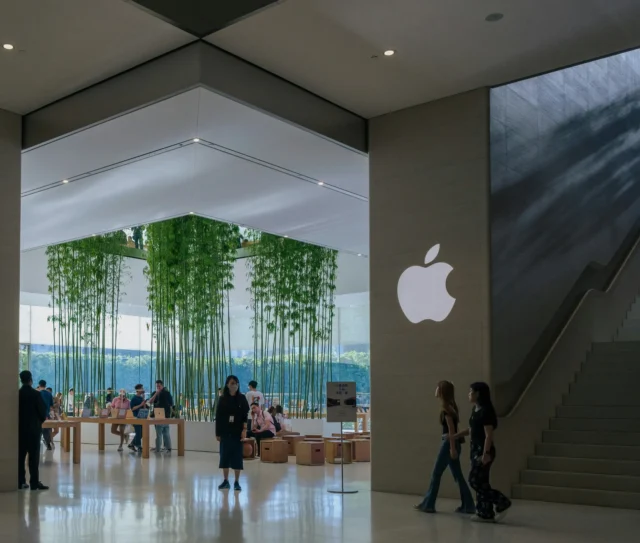
After 15 years, Tim Cook is stepping down as Apple’s chief executive. John Ternus, Apple’s head of hardware engineering and a 25-year company veteran, takes over on 1 September. Cook moves to executive chairman, in a transition Apple says was approved unanimously by its board following a long-term succession planning process.
It’s the most significant leadership change at Apple since Cook himself succeeded Steve Jobs in 2011. And for the businesses that have built their operations around Apple technology, it’s worth understanding what it signals, and what it doesn’t.
Who is John Ternus?
If the name is unfamiliar, the work almost certainly isn’t. Ternus has been involved in virtually every major Apple product of the past two decades. Every generation of iPad. Many generations of iPhone. The launch of AirPods and Apple Watch. The landmark transition from Intel chips to Apple Silicon is one of the most consequential platform moves in Apple’s modern history.
He’s an engineer by background and a product thinker by instinct. Cook himself described Ternus as “a visionary” with “the mind of an engineer, the soul of an innovator.” That’s a meaningful endorsement, and it tells you something about how Apple sees the next chapter.
What Tim Cook built – and what he didn’t
Cook’s tenure was defined by extraordinary operational discipline. He took Apple from a company valued at roughly $350 billion to one now worth $4 trillion. He scaled global supply chains, expanded services revenue dramatically, and made the Apple ecosystem more deeply embedded in business life than perhaps anyone anticipated when he took the helm. In his new role as executive chairman, Cook will continue to engage with policymakers around the world, meaning the regulatory and supply chain relationships he built over 15 years remain intact.
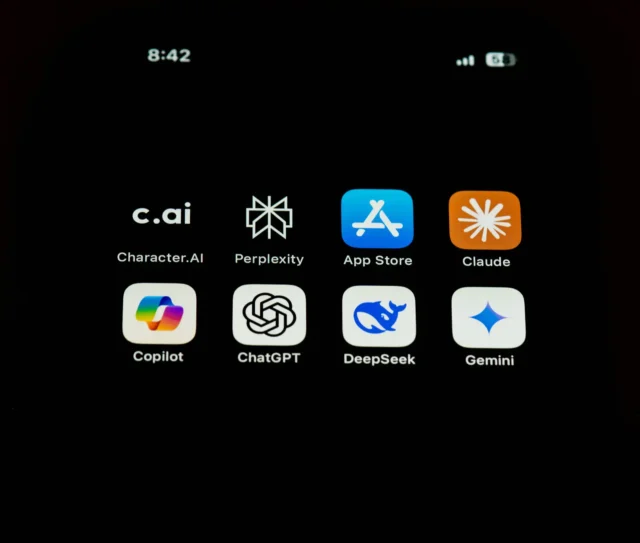
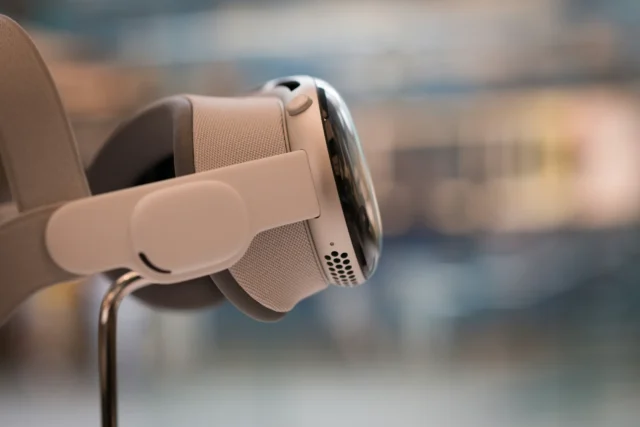
What his era was less associated with was launching genuinely new product categories. The Apple Vision Pro was a bold bet on spatial computing that’s still finding its market. And analysts have widely noted that Apple has moved more cautiously than Google, Microsoft, and Meta on AI, choosing partnerships with OpenAI and Google over building and promoting its own models front and centre.
Ternus’s appointment is widely read as a deliberate course correction. Timothy Hubbard, assistant professor of management at the University of Notre Dame, put it plainly: Apple chose a hardware leader because it “still believes the future of AI will run through tightly integrated devices, not just software.” A CEO with that background, and a clear brief to innovate, signals that Apple is pivoting back toward product leadership, with new hardware categories, deeper AI integration, and a renewed emphasis on building things that didn’t exist before. As Hubbard noted, “rapid innovation is where Apple started, and maybe that’s where the company needs to return.”
What this means for organisations running Apple
For any business that has gone Apple-first, whether that’s a professional services firm, a creative agency, or a hybrid team running Macs alongside other platforms, this transition has a few practical implications worth thinking through now.
The product roadmap is likely to accelerate. A CEO whose career has been built around shipping exceptional hardware has every incentive to move quickly on new device categories. Foldable devices and AI-integrated wearables are both expected to feature prominently in the near-term roadmap. For IT leads managing procurement and device refresh cycles, staying ahead of these shifts and understanding what they mean for compatibility and fleet management will become increasingly important.
AI is coming to Apple hardware more seriously. Apple’s current approach to AI has been deliberate and partner-led. The expectation with Ternus in charge is that AI capabilities will be baked into device hardware more deeply, rather than layered on top. That has real implications for how Apple devices are configured, secured, and managed, particularly in environments where data sensitivity matters.
Apple Intelligence features will need IT consideration. As on-device AI becomes a more prominent part of the Apple experience, IT teams will need to think carefully about how these capabilities interact with MDM policies, acceptable use guidelines, and data handling practices. This isn’t a distant concern; it’s a configuration question that’s already arriving in current device generations.
The fundamentals haven’t changed. Whatever shifts at the top, the underlying strengths that make Apple compelling in a professional environment remain intact. The security model. The performance and longevity of Apple Silicon Macs. The coherence of macOS and iOS. The depth of the developer ecosystem. Ternus understands all of this better than almost anyone – he helped build it. In his own words, he intends to “lead with the values and vision that have come to define this special place for half a century.” This is a change in direction and pace, not in foundation.
Practical steps for Apple-first businesses
If your organisation runs primarily on Apple hardware, here’s where to focus your attention over the coming months:
- Review your device refresh timeline in light of likely new hardware releases. Decisions made in the next 12–18 months may benefit from waiting to see what Ternus’s first product cycle brings.
- Audit your MDM configuration to ensure it’s ready to handle new AI-related features and capability flags that will arrive in future OS updates.
- Revisit procurement policy around AI-related acceptable use, particularly as on-device AI becomes a standard feature rather than an optional extra.
- Monitor platform developments through Apple Business. The updated portal provides good visibility on deployment tooling as the platform evolves.
Leadership transitions at Apple don’t happen in a vacuum. They reflect where the company believes the opportunity lies, and for businesses built on Apple, that direction matters.
At Dr Logic, we’ve been managing Apple environments for organisations like yours for over 20 years. If you want to talk through what this transition means for your fleet, your procurement plans, or your IT strategy.
FAQs
Who is replacing Tim Cook as Apple CEO?
John Ternus, Apple’s current head of hardware engineering, will become CEO on 1 September. Ternus has been at Apple for 25 years and has led the development of the iPhone, iPad, Apple Watch, AirPods, and the transition to Apple Silicon.
Will Apple's products change under a new CEO?
In the short term, the existing product pipeline won’t change overnight. But a CEO with Ternus’s background signals a renewed focus on hardware innovation, including new device categories and deeper AI integration, with implications for business device procurement and IT management over the next several years.
What should IT teams do in response to Apple's leadership change?
There’s no immediate action required, but it’s a good time to revisit your device refresh timelines, verify that your MDM configuration is up to date, and start thinking about how expanding AI capabilities on Apple devices will interact with your data and security policies.