Apple’s latest update, iOS 26.4, arrives without a headline feature or major redesign. Instead, it focuses on refinement across performance, security and usability.
That makes it easy to overlook.
For organisations running Apple devices at scale, this type of update often has more practical value than a single flagship feature. It improves how devices behave day to day and reduces the friction that builds up over time.
Incremental Changes That Improve Daily Work
iOS 26.4 introduces a wide range of smaller improvements that collectively enhance reliability.
Performance has been tightened, with smoother app switching and more consistent responsiveness. Battery behaviour remains stable across typical workloads, supporting predictable all-day usage.
One of the more noticeable fixes addresses keyboard reliability. Earlier versions of iOS 26 introduced issues with missed keystrokes and inconsistent autocorrect behaviour. These have now been resolved, improving accuracy in everyday communication and for teams that rely heavily on messaging, email and collaboration tools, small changes like this directly affect productivity.
AI Continues to Expand Across the Platform
AI features are becoming more visible across iOS, though they are being introduced in a controlled and practical way.
Apple Music now supports playlist generation from simple prompts, automatically creating titles, descriptions and tracklists. The feature sits naturally within an existing workflow rather than requiring users to adopt a separate tool.
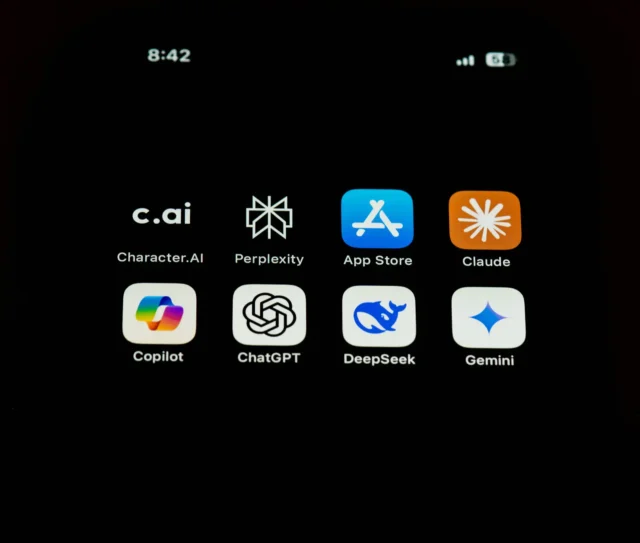
CarPlay has also been expanded to support third-party AI assistants, enabling hands-free interaction through tools such as ChatGPT and Gemini.
These updates show how AI is being integrated into everyday usage patterns rather than positioned as a standalone capability. The result is a gradual shift in how users interact with their devices.
Stronger Security by Default
Some of the most important changes in iOS 26.4 are not immediately visible.
Stolen Device Protection is now enabled by default, strengthening the baseline security posture across all devices. This reduces the risk associated with lost or stolen hardware, particularly in environments where devices provide access to multiple systems and services.
Messaging security has also been enhanced, with improvements to encryption and control over sensitive settings.
For organisations managing mobile estates, these updates reinforce the importance of keeping devices aligned with current software versions. Security improvements are increasingly built into the platform rather than added separately.
Changes in How Access and Sharing Work
iOS 26.4 also introduces updates to how users manage payments and sharing within group environments.
Users can now add their own payment methods within shared accounts, rather than relying on a single account holder. While this appears consumer-focused, it reflects a broader shift towards individual ownership of access and identity.
In business environments, the same principle applies. Access tied to individuals provides better control, clearer accountability and reduced risk compared to shared credentials.
Reliability Beyond Connectivity
Offline functionality continues to improve.
Devices can now recognise content and complete tasks without constant connectivity, returning results once a connection is restored. This reflects a wider focus on resilience across the platform.
For mobile workforces, that reliability becomes increasingly important. Work does not always happen in perfect network conditions.
Accessibility and Usability Refinements
iOS 26.4 includes several updates aimed at improving usability.
Visual settings such as reduced brightness effects and motion controls have been refined, making the interface more comfortable for a wider range of users. Subtitle and caption controls have also been made easier to access.
These changes contribute to a more consistent experience across devices, particularly in environments where accessibility is a requirement rather than a preference.
Looking Ahead: What iOS 27 Is Likely to Bring
While iOS 26.4 focuses on refinement, the next major release is already taking shape. Apple is expected to unveil iOS 27 at WWDC in June 2026, with a broader rollout later in the year.
Early indications suggest a continued emphasis on performance, stability and underlying system improvements. Reports describe it as a “Snow Leopard”-style update, where Apple prioritises cleaning up legacy code, improving efficiency and resolving long-standing issues across the platform.
A major area of focus is likely to be Siri. Apple is working on a significantly more advanced version with a conversational, chatbot-style interface, alongside deeper integration with Apple Intelligence features.
There are also indications that iOS 27 will continue to prepare the platform for new device categories, including potential foldable hardware, which requires new approaches to multitasking and app layouts.
Taken together, this points to a release that strengthens the foundation of the platform while preparing for more substantial changes in the future.
A Dr Logic Perspective
iOS 26.4 focuses on stability, security and incremental improvement across the platform. The update strengthens default protections, introduces practical AI enhancements and improves the reliability of everyday interactions. These changes support a more consistent user experience across managed devices.
Looking ahead, iOS 27 is expected to continue this direction, with a deeper focus on performance and a more capable AI layer sitting behind the interface.
For organisations, the priority remains clear. Keeping devices updated ensures that security, performance and usability continue to align with current standards, while also preparing the estate for the next phase of platform evolution.
If your organisation is managing Apple devices across teams, Dr Logic can help ensure your estate remains secure, consistent and ready to support evolving workflows.