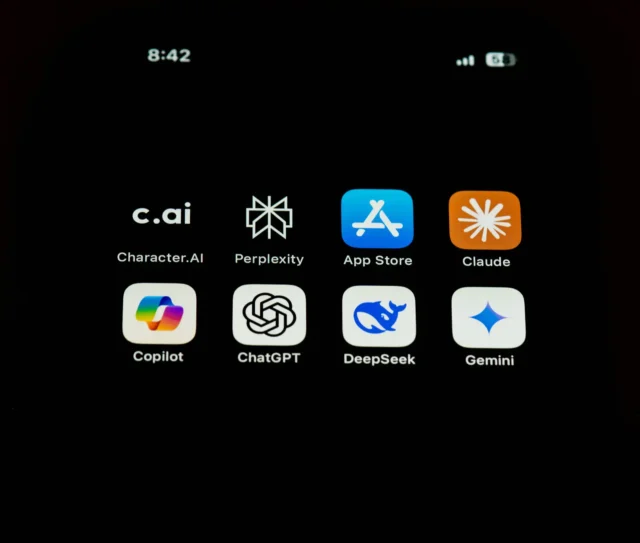
There is a version of the AI conversation happening in boardrooms right now that sounds something like this: “We need to be doing something with AI.” It is usually followed by a flurry of tool evaluations, a few enthusiastic pilot projects, and then, in most cases, not very much change at all. The ambition was there. The clarity about where to actually start was not.
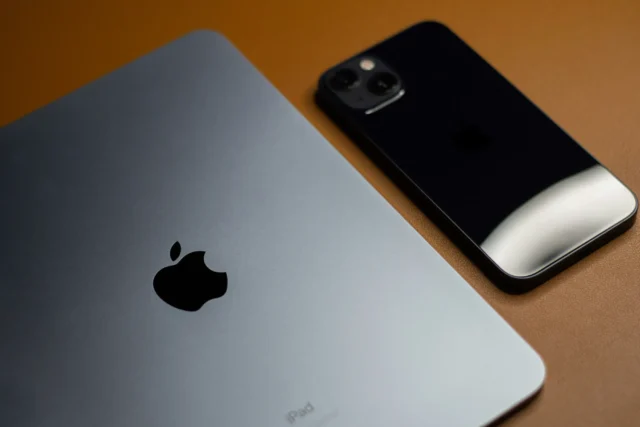
For teams running on Apple devices, that starting point is closer and more practical than most people realise. Not because Apple has solved artificial intelligence, but because the pieces needed to genuinely automate the mundane parts of working life are already on every Mac and iPhone your team uses. What has changed recently is how intelligently those pieces can be connected.
What “Agentic AI” actually means for a business team
Agentic AI is a term that has arrived quickly and means different things depending on who is using it. In its most useful definition for a business context, it describes AI that can take sequences of actions across multiple apps or services to complete a task — rather than simply answering a question or generating a piece of text.
The distinction matters. A standard AI assistant tells you how to book a meeting room. An agentic workflow books it for you, checks the calendars of the people you need in the room, drafts the invitation, and logs the request in whatever system your team uses for facilities. The output is the same – a meeting is booked – but the amount of time and attention your employee had to spend on it is very different.
This is where Apple’s current trajectory becomes genuinely interesting for business IT teams.
Where Apple is right now – and where it is heading
Apple Intelligence, introduced with iOS 18 and macOS Sequoia and continuing to develop rapidly, represents Apple’s most significant move into on-device AI. Its current capabilities are meaningful but deliberately limited: writing tools, image generation, summarisation, and an enhanced Siri that can perform actions within and across Apple’s own apps.
The agentic element – Siri orchestrating multi-step tasks across apps it does not control – is the part that is still emerging. Apple has opened the door through App Intents, a framework that lets third-party developers expose their app’s actions to Siri and Shortcuts. As adoption of this framework grows, the range of tasks that can be automated through natural language or triggered workflows will expand significantly.
It is worth being honest about where the technology sits today: the seamless, voice-triggered AI that handles your entire leave request process end-to-end is not quite here yet. What is here, and what is already worth building with, is a foundation of automation tools that reduce friction significantly, with more capability arriving in each software release.
What you can automate right now, practically
Shortcuts on macOS is more powerful than most business users realise, and Apple Intelligence is beginning to make it genuinely accessible to people who would not describe themselves as technical. Here are three areas where automation can have an immediate impact on a remote Apple team.
Leave and absence requests
A Shortcut triggered by a message or form submission can automatically log the request in a shared calendar, notify the relevant manager, check for scheduling conflicts, and send a confirmation to the employee — all without anyone in HR or operations touching it. Combined with a Siri voice trigger or a simple home screen widget, this removes the back-and-forth entirely for routine requests.
Meeting preparation and scheduling
Apple’s Calendar and Mail apps now integrate with Apple Intelligence to suggest meeting times, summarise email threads before a call, and draft follow-up messages based on meeting notes. For teams already living in Apple’s ecosystem, this is available today with no third-party tools required – just the right configuration and a team that knows the features exist.
Routine IT admin and onboarding tasks
For IT teams managing Apple fleets, Shortcuts combined with MDM can automate device enrolment confirmations, software installation sequences, and new-starter comms. An employee receives their Mac, opens it, and a pre-configured workflow walks them through the rest, without anyone in IT needing to be on a call.
The part that technology cannot do
Here is where the human touch matters — and why the most thoughtful implementations of AI automation are not the ones that automate the most.
Automation works exceptionally well for processes that are consistent, predictable, and low-stakes. A leave request for two days next month is a good candidate. A conversation with an employee who has submitted an unusual number of absence requests and might need support is not. A routine new-starter IT setup is automatable. The moment a new joiner has a question that sits outside the script, about their device, their access, their role, they need a human who knows the answer and cares about getting it right.
The risk with agentic AI is the same risk that exists with any automation: designing it in ways that remove human judgment from moments that need it. The teams that get this right are the ones who are deliberate about where the handoff between automated and human sits, and who keep that boundary under regular review as their tools and their team’s needs change.
What this means for your IT strategy
For an Apple-first business, the practical question is not “should we use AI?” It is: which specific, repeatable tasks are currently consuming your team’s attention in ways that could be handled by a well-configured automation, and which tasks need a person?
Answering that question well requires someone who understands both the Apple ecosystem and how your business actually operates day-to-day. It is the kind of conversation that sits at the intersection of IT strategy and business operations, and it is exactly the kind of value a thoughtful IT partner should be bringing to the table, rather than leaving you to figure out alone.
The mundane should be automated. The human moments should be protected. Getting that line right is the work.